

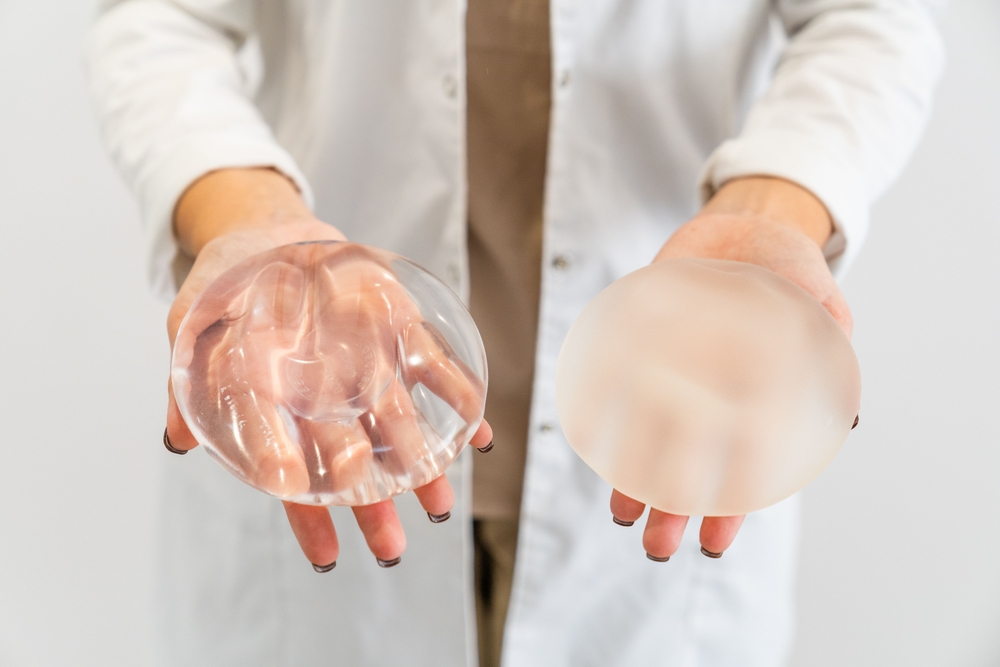
Considering breast augmentation is an exciting step for many women, but it naturally comes with questions. One of the most common concerns is, “How long do breast implants last?” The answer depends on an array of factors, such as implant type, lifestyle, and personal health. By understanding the differences between saline and silicone implants, as well as maintenance needs and replacement timelines, you can make informed decisions about your breast augmentation journey.
At Art Plastic Surgery in Bergen County, NJ, Dr. John T. Cozzone and Dr. Luis A. Zapiach bring decades of experience in both breast augmentation and implant revision procedures. Our team is dedicated to providing safe, natural-looking results and helping each patient choose the implants and plan that best align with their goals. Schedule a consultation and let’s discuss your options and ensure long-term satisfaction with your results.
Understanding Implant Types
When it comes to breast augmentation, the two primary types of implants are saline and silicone. Each has distinct characteristics and considerations that can affect both appearance and longevity.
Saline Implants:
- Filled with sterile saltwater, these implants are inserted empty and then filled once in place.
- Advantages include a slightly smaller incision and the ability to adjust size during surgery.
- If a saline implant ruptures, the body safely absorbs the fluid, and the change in breast shape is noticeable immediately.
- They tend to feel slightly firmer and may ripple more visibly under the skin compared to silicone.
Silicone Implants:
- Filled with a cohesive silicone gel, these implants often mimic the natural feel of breast tissue more closely than saline.
- Advantages include a softer, more natural look and reduced rippling.
- Ruptures may not be immediately apparent (called “silent ruptures”), which makes regular monitoring important.
- Silicone implants are generally preferred for patients seeking a more natural contour.
Both implant types are highly durable and FDA-approved, but the choice depends on your aesthetic goals, anatomy, and personal preferences.
Average Lifespan of Breast Implants
Contrary to popular belief, breast implants are not considered lifetime devices. Most implants last 10 to 20 years, but many factors influence how long they remain in optimal condition.
Factors that affect longevity include:
- Implant Type: Saline implants may show changes more quickly due to visible deflation, whereas silicone implants may require imaging to detect issues.
- Body Changes: Weight fluctuations, pregnancy, and aging can affect breast shape and the appearance of implants.
- Lifestyle Factors: High-impact activities or trauma can increase the likelihood of complications.
- Surgical Technique: Proper placement and careful handling during surgery reduce the risk of premature rupture or capsular contracture.
Regular follow-ups and attention to subtle changes in shape or firmness can help extend implant longevity and ensure ongoing satisfaction.
Signs You May Need Breast Implant Replacement or Revision
Even with high-quality implants, there are situations where revision surgery may be needed. Common indicators include:
- Rupture or Leakage: Saline implants deflate quickly and are easily noticeable, while silicone ruptures may require imaging for detection.
- Capsular Contracture: Scar tissue around the implant tightens, potentially causing discomfort or changes in breast shape.
- Asymmetry: Over time, implants may shift, or natural breast tissue may change, resulting in an uneven appearance.
- Changes in Shape or Size: Age, gravity, and lifestyle factors can alter the look of augmented breasts, sometimes prompting a desire for revision.
Detecting these issues early ensures safer and simpler corrective procedures.
Maintaining Implant Health
Proper care and monitoring are key to extending the lifespan of your breast implants. Follow these guidelines to minimize complications and enjoy results for many years:
- Invest in Routine Checkups: Regular visits with your plastic surgeon allow early detection of potential issues.
- Conduct Self-Exams: Familiarity with your augmented breasts helps you notice changes in shape, firmness, or symmetry.
- Undergo Imaging: Silicone implants should be monitored periodically with MRIs or ultrasounds to detect ruptures.
- Maintain a Healthy Lifestyle: Maintaining a stable weight, wearing supportive bras, and avoiding trauma to the chest area all contribute to implant longevity.
Schedule a Breast Implant Consultation in Bergen County, NJ
At Art Plastic Surgery, Dr. Cozzone and Dr. Zapiach have extensive experience in traditional breast augmentation, natural breast augmentation, implant revision procedures, and breast reconstruction. Our patient-focused approach ensures you receive guidance tailored to your body, lifestyle, and aesthetic goals. Whether you’re considering saline or silicone implants, or exploring replacement options, our team is here to provide expert care, natural-looking results, and ongoing support throughout your journey.
If you have questions about breast implant longevity, maintenance, or revision, contact Art Plastic Surgery today to schedule a consultation in Bergen County, NJ. Let us help you achieve results that are both beautiful and long-lasting.
Frequently Asked Questions
Do breast implants need to be replaced after a certain time?
Implants do not have a fixed expiration date, but most last 10-20 years. Replacement is typically recommended if complications arise or if aesthetic goals change.
What is the difference between a revision and a replacement?
A replacement involves removing the old implant and inserting a new one, while a revision may address changes in shape, position, or complications without necessarily replacing the implant.
How do I know if a silicone implant has ruptured?
Regular imaging (MRI or ultrasound) and routine checkups are the best way to detect silicone breast implant ruptures.